.svg)
The exploration of romantic relationships and storylines involving Nepali girls, or anyone for that matter, is deeply influenced by cultural, social, and personal factors. As society evolves, so do the narratives around love and relationships, reflecting a broader spectrum of experiences and values.
In the tapestry of romance, the stories of Nepali girls are woven with threads of tradition, quiet strength, and a deep, often unspoken passion. Unlike the brash, fast-paced love stories of the West, Nepali romantic storylines—whether in real life, in novels, or on the silver screen—carry the fragrance of dhaka fabric, the weight of tika on a forehead, and the whisper of mountain winds. nepali sexy girls stripping and taking shower hot
Furthermore, there is a tendency to villainize the independent woman. If a female character drinks, smokes, or expresses her sexuality openly, she is often "punished" by the narrative—either by being dumped, heartbroken, or redeemed only through suffering. This creates a confusing message: modernity is desired, but only within the confines of traditional morality. Unlike the brash, fast-paced love stories of the
For a Nepali girl, relationships are rarely just about two individuals. They are a delicate dance between personal desire and familial honor. From the bustling streets of Kathmandu to the serene hills of Pokhara, a young woman often grows up internalizing a dual code: be ambitious and modern, yet respectful and grounded. This duality shapes every romantic storyline she inhabits. This creates a confusing message: modernity is desired,
Yet, there is undeniable power in this transition. As Nepali girls rewrite their romantic storylines, they are subtly rewriting the country’s social contract. By demanding respect, emotional reciprocity, and the right to choose their partners, they are chipping away at patriarchal norms. The new heroine of the Nepali love story is not a damsel waiting to be rescued. She is a student, a daughter, a dreamer—and a lover on her own terms. She knows that the most radical thing she can do is not just fall in love, but to insist that her love story includes her own voice.
Often set during Dashain or Tihar , this storyline follows a girl from a conservative family who falls for someone outside her caste or economic status. Their romance is built in fleeting moments—a shared umbrella in the rain, a stolen look during a family gathering, a secret exchange of sel roti . The climax is rarely a kiss; it is a stand—her quiet, trembling defiance as she speaks his name in front of her father. Her courage, not his charm, becomes the hero of the tale.

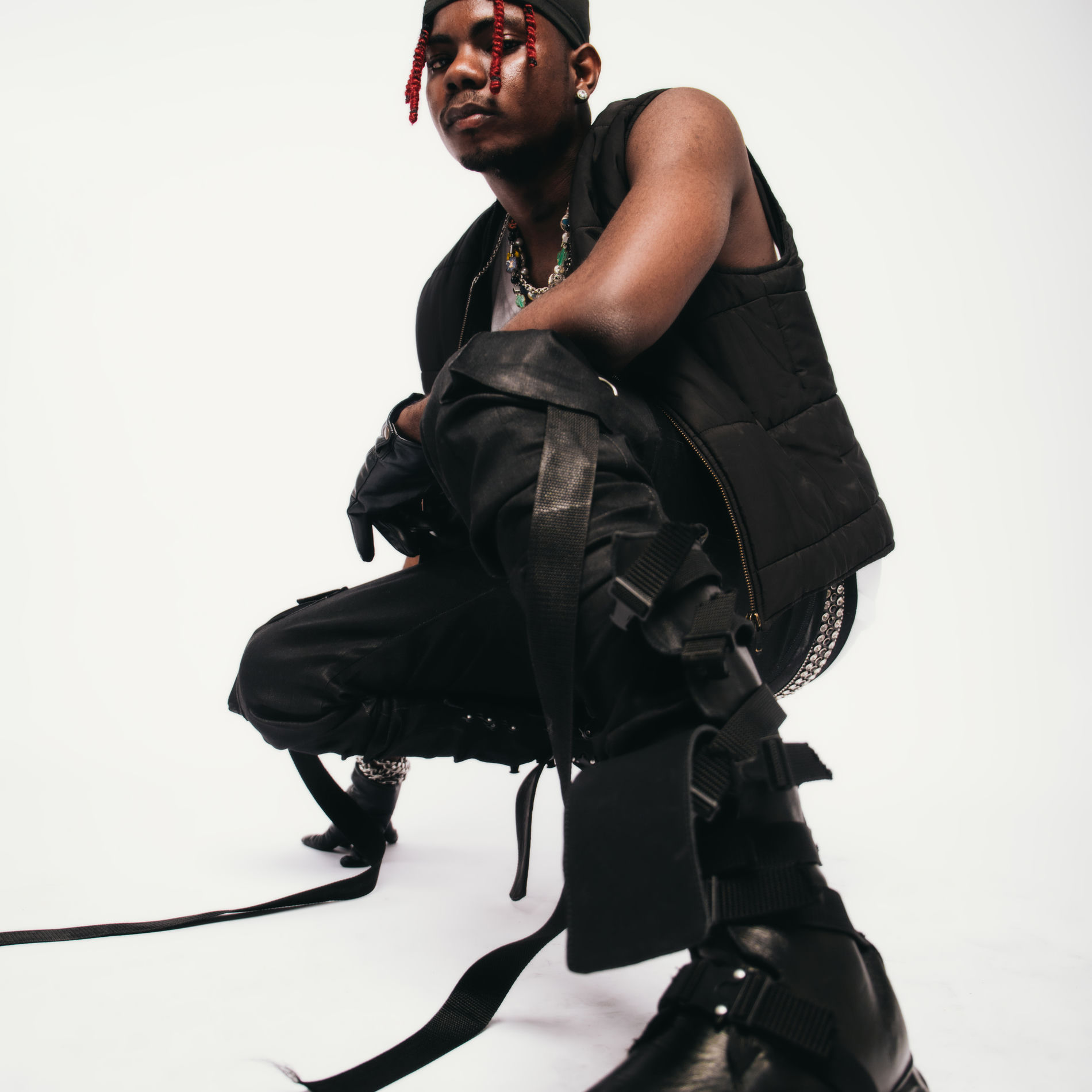
Lagos, Nigeria - DJ 808, a rising star in the Nigerian music industry, has announced the release of his latest single "Cover Me" featuring the award-winning Nigerian artist, Peruzzi and South African producer, Caltonic SA.
.jpeg)
The highly anticipated song is set to drop on Friday and promises to be a hit among music lovers. This release is the first single off his forthcoming debut EP titled, ‘808 Rhapsody’, set for release this June.
"Cover Me" is a unique blend of Afro-pop, infused with a catchy Amapiano beat that is sure to get listeners moving. DJ 808 showcases his exceptional talent and creativity as a DJ, Caltonic SA brings the smooth Amapiano vibes while Peruzzi adds his soulful voice to the mix, delivering an unforgettable performance.

Speaking about the collaboration, DJ 808 said, "I have always wanted to work with South African producer, Caltonic SA. He sent over some beats, I picked the one I felt was the best and I added some ‘DJ 808’ recipes to brighten the beat to my own perfect taste. I immediately reached to my Manager so we could brainstorm on who would kill this beat, we figured Peruzzi was a perfect match. Peruzzi heard the beat and fell in love with the beat immediately! We vibed in the studio and everything was just one take; vibes upon vibes."
Peruzzi, who is known for his hit songs such as "Majesty" and "Amaka," expressed his excitement for the release of "Cover Me." He said, "Working with DJ 808 on this song was an incredible experience. We put a lot of work into creating something unique that our fans will love, and I cannot wait for them to hear it."
"Cover Me" is expected to be a chart-topper and a party favorite, showcasing DJ 808's talent and creativity as a DJ and producer.
Listen to ‘Cover me’ here
For more information, follow @dj808__ on social media.


.png)


.jpeg)