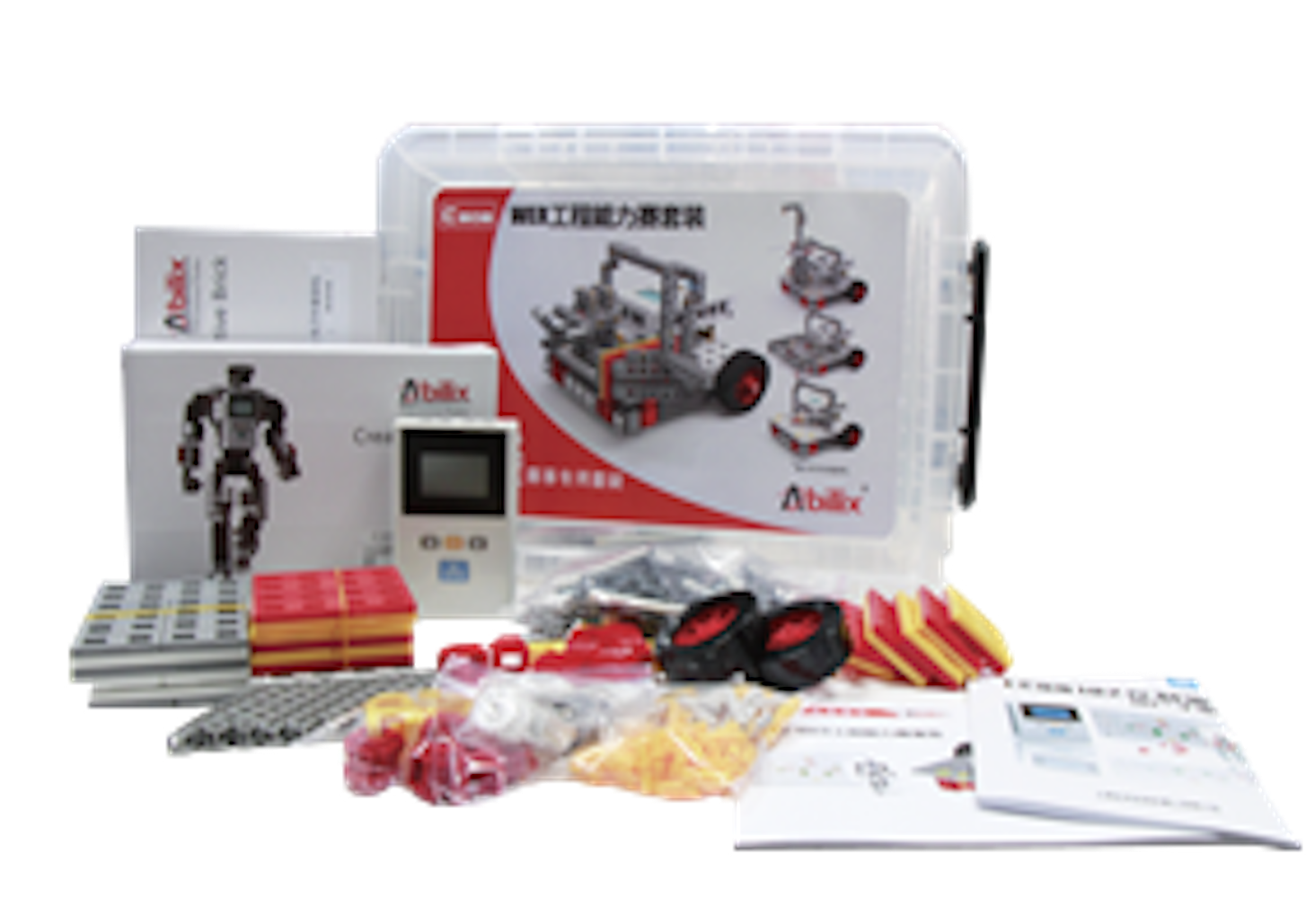
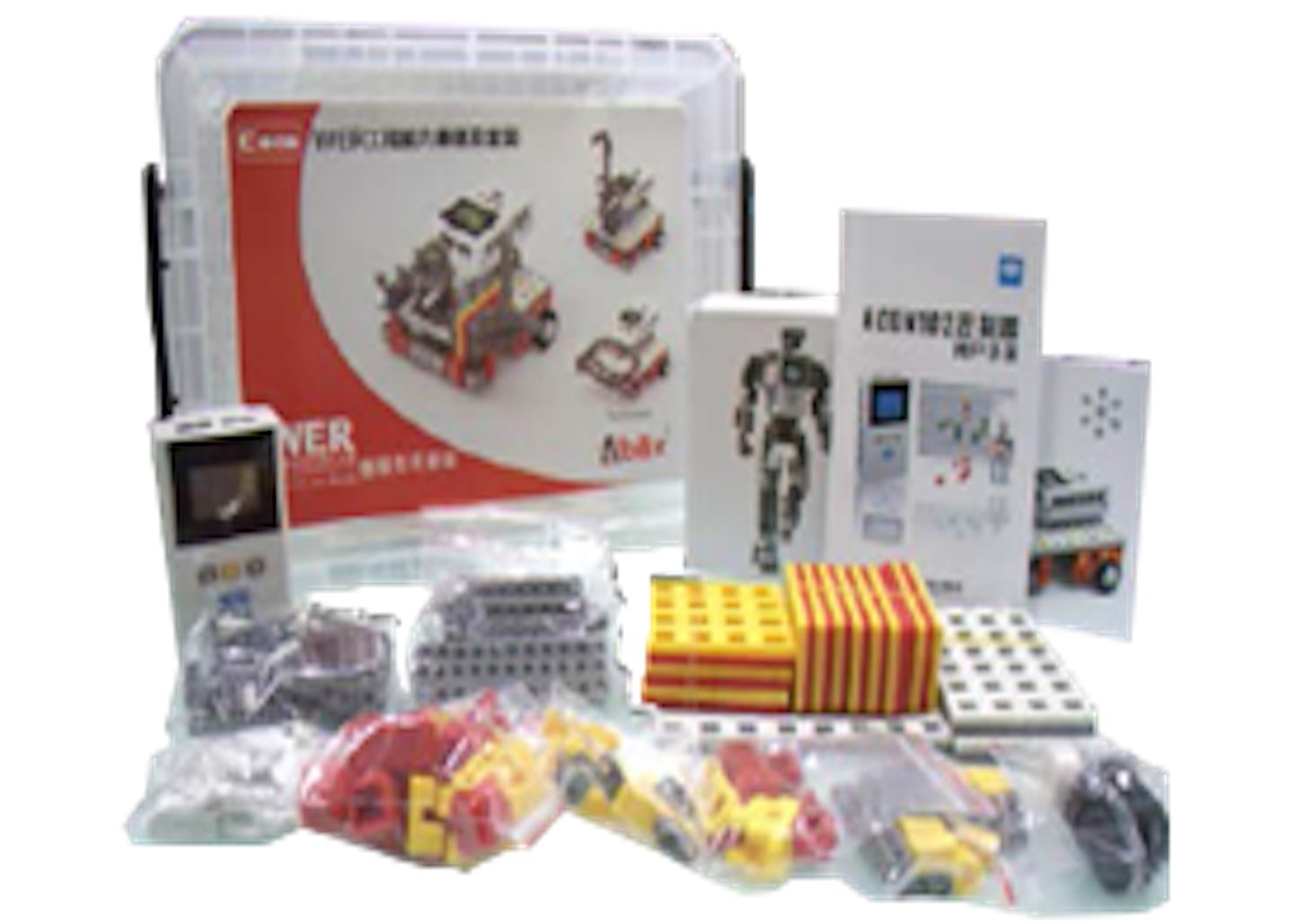
User Friendly Electronic Components
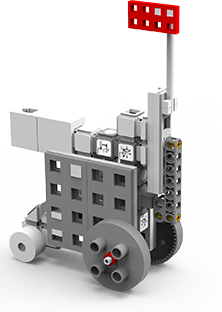
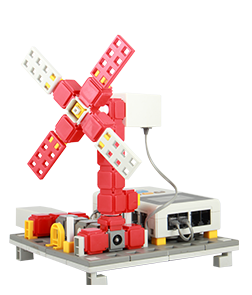
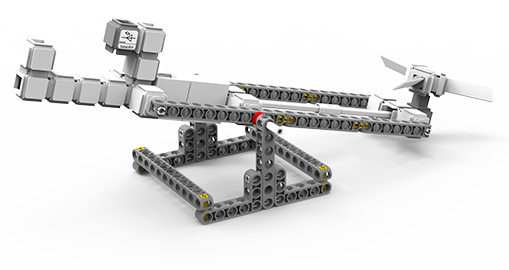
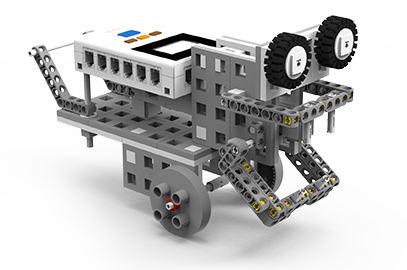
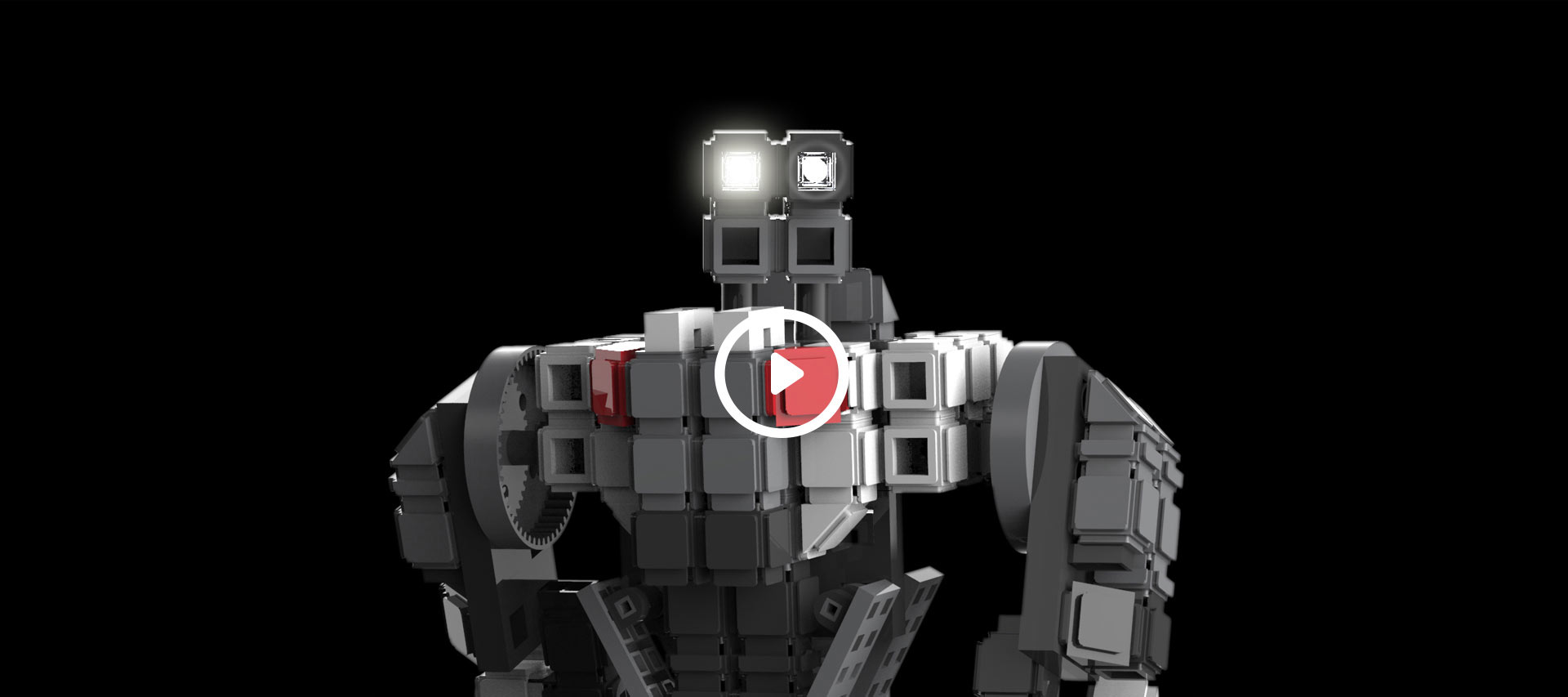
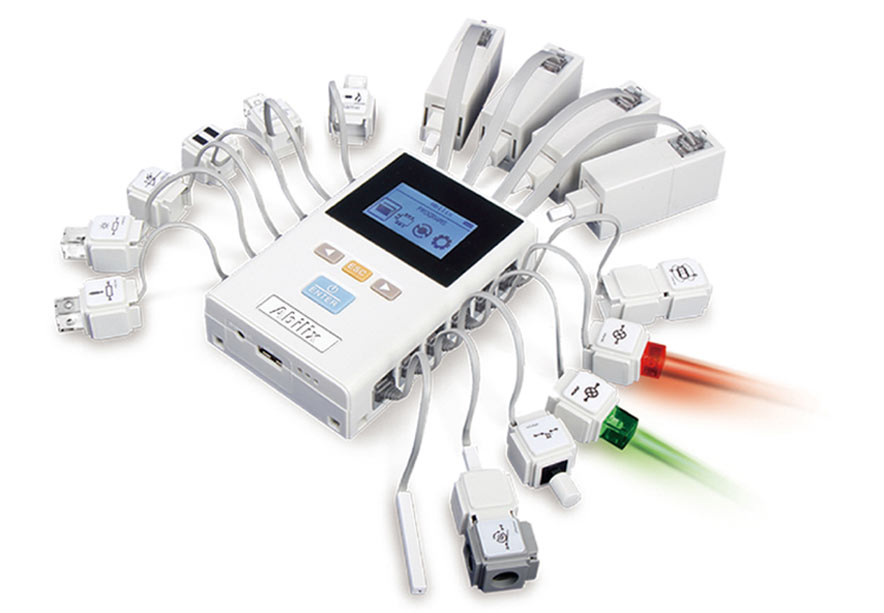
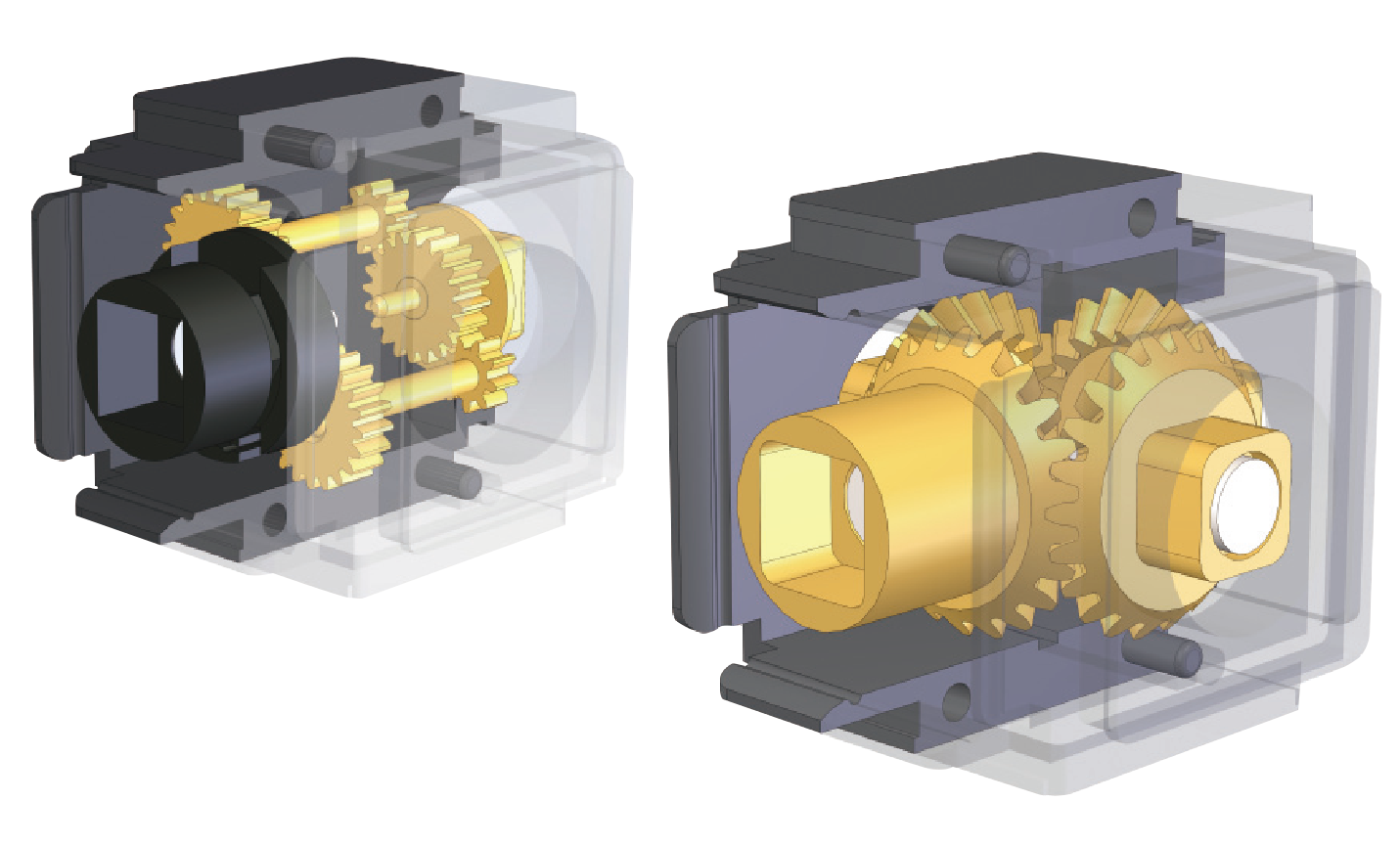
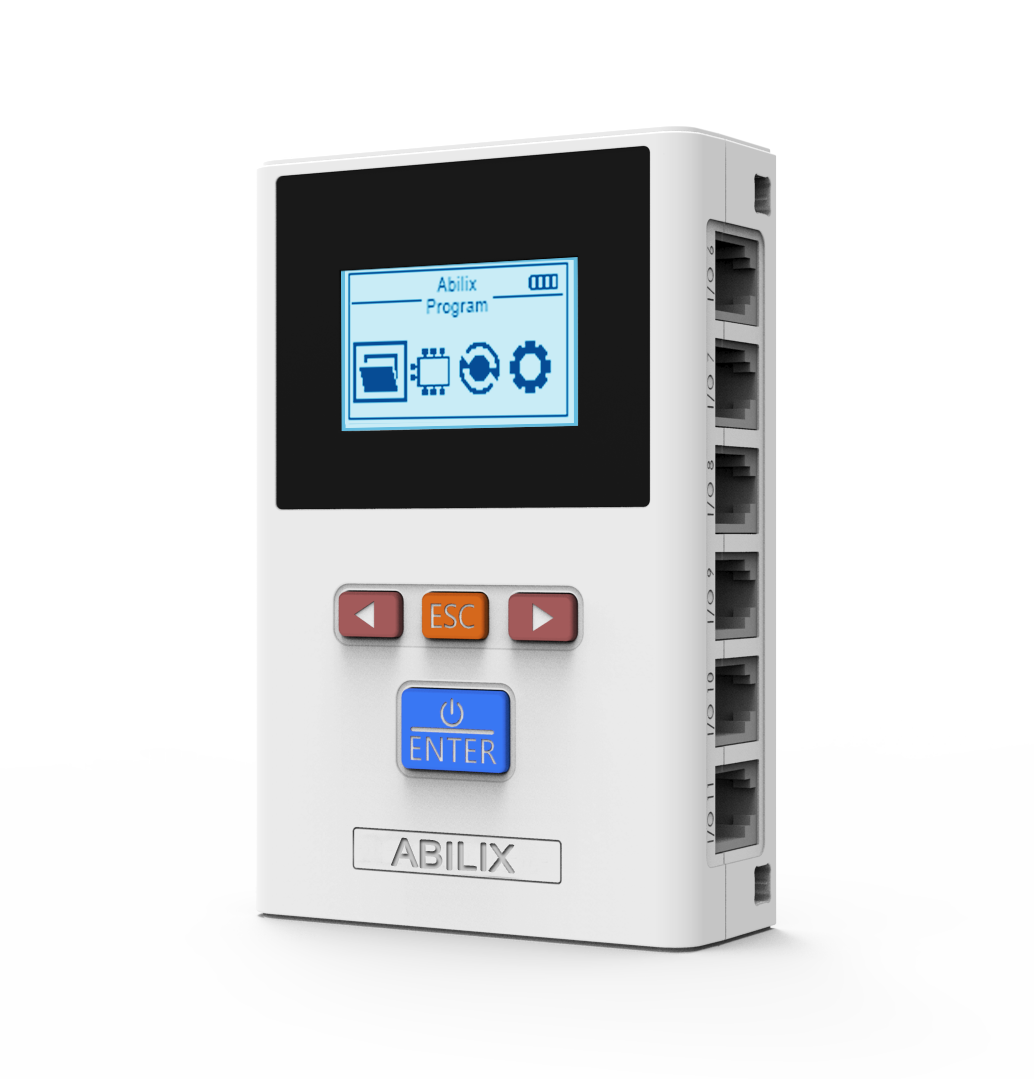
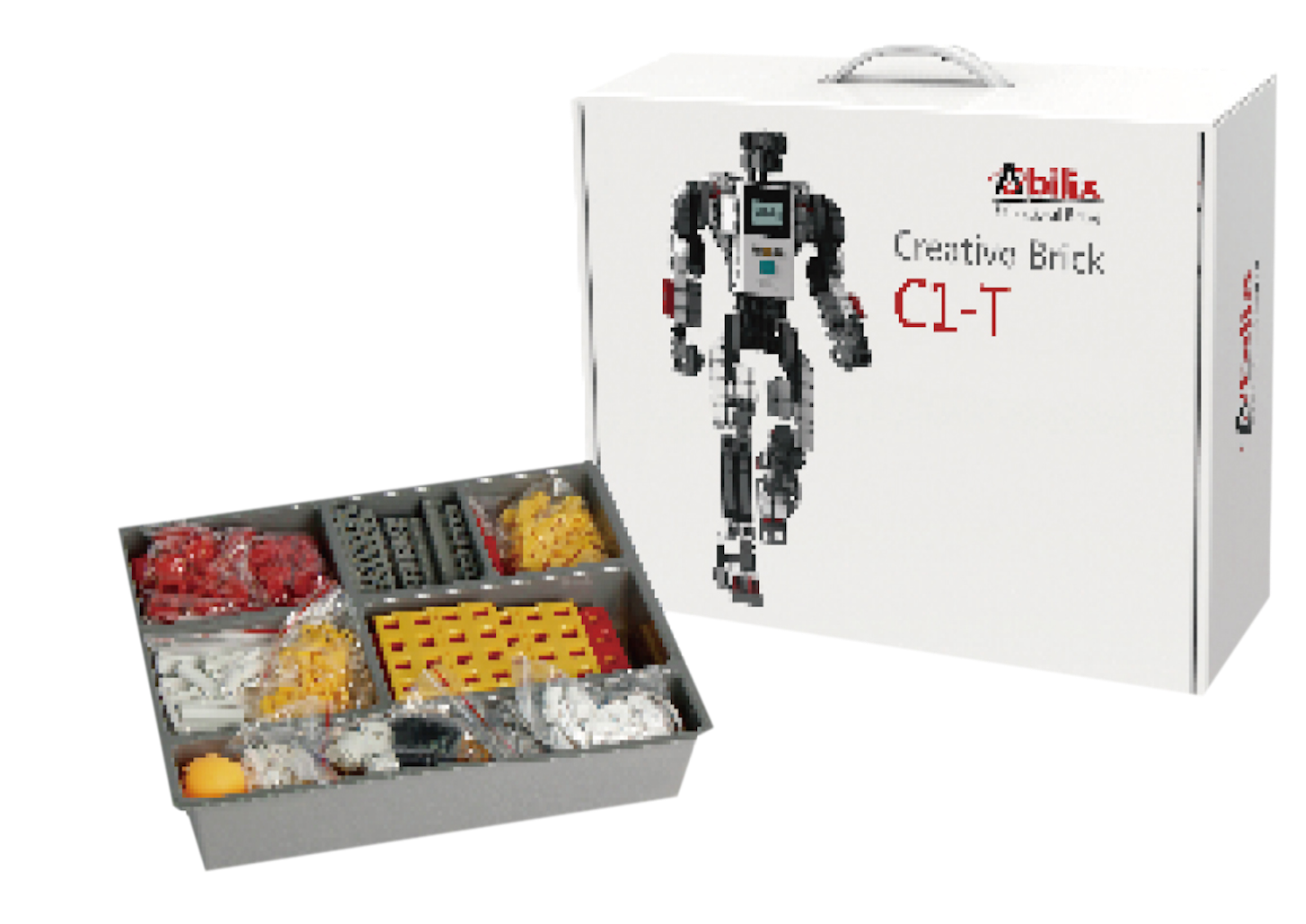
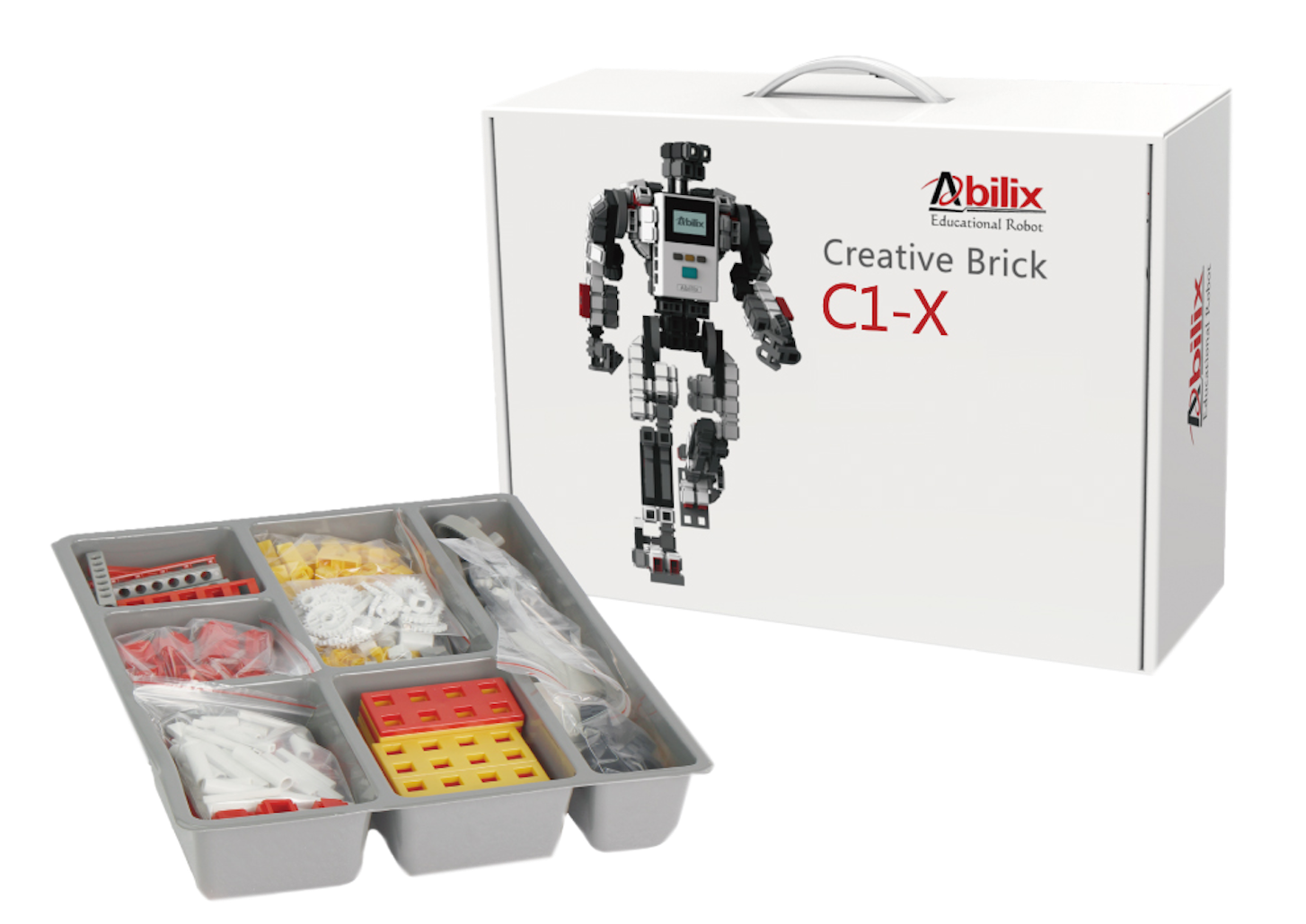
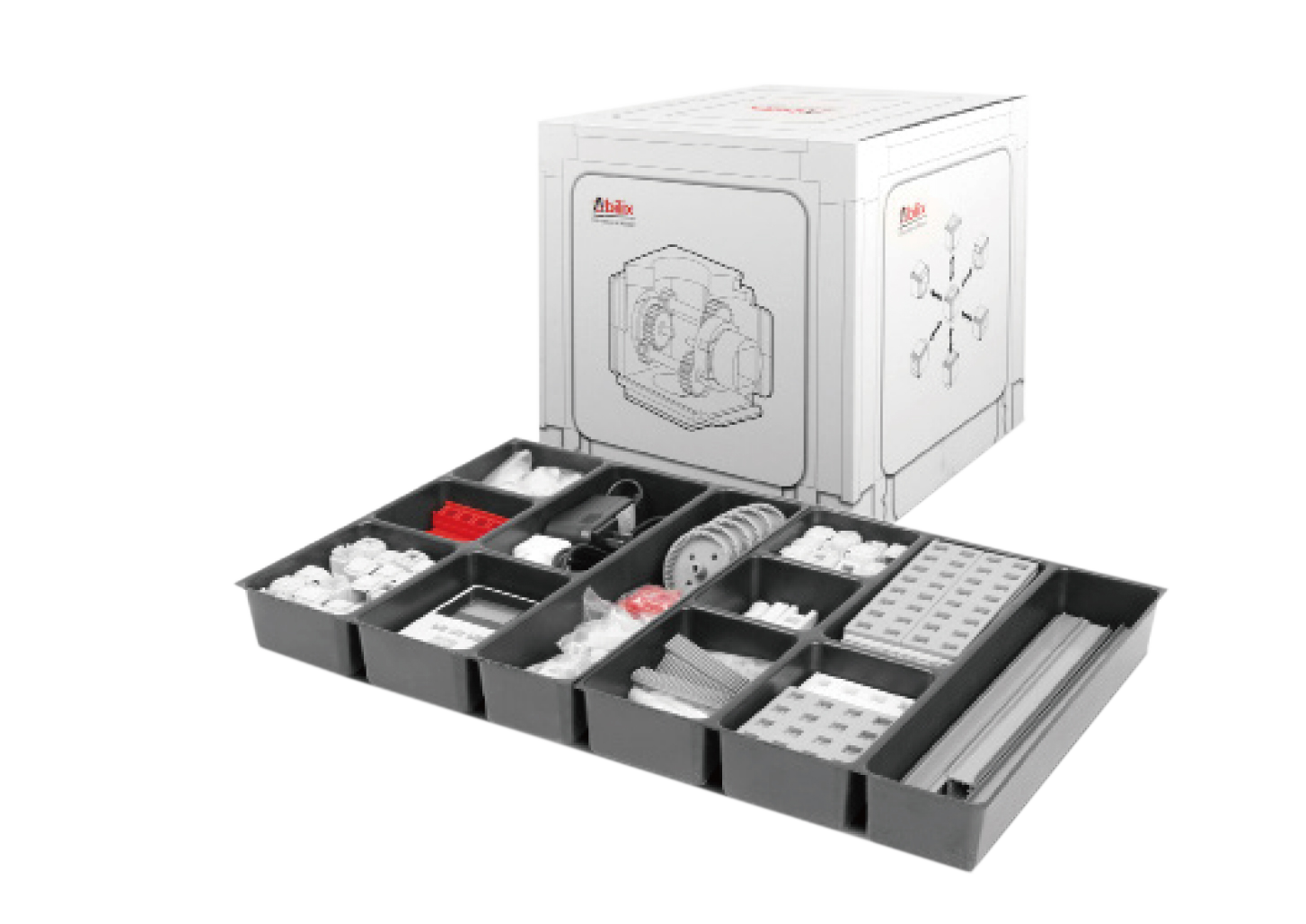
All electronic and mechanical components are modular design, the main components are integrated into the cube, which can realize three dimensional combination, do not need to use any screws or soft firmware can easily complete system set up.
.env.python.local Guide
env = environ.Env() env.read_env('.env.python.local') # Read local overrides
Sam explained:
Libraries like python-dotenv make it incredibly simple to load these variables. You can easily set a hierarchy where the code looks for .env.local first and falls back to .env if it’s missing. Using .env Files for Environment Variables - Dev.to Cons to Watch For: .env.python.local
pip install python-dotenv
import os from dotenv import load_dotenv # Explicitly load the specific .local file # You can also load the standard .env first, then override with .local load_dotenv(".env") load_dotenv(".env.python.local", override=True) db_url = os.getenv("DATABASE_URL") print(f"Connecting to: db_url") Use code with caution. Copied to clipboard Best Practices env = environ
DATABASE_URL=postgres://user:password@localhost/db API_KEY=your_secret_key_here Use code with caution. Copied to clipboard Implementation python-dotenv library to load these into your script. load_dotenv load_dotenv() # Loads variables from .env into the environment = os.getenv( Use code with caution. Copied to clipboard DEV Community 3. Best Practices : Never commit your .env.local files to version control. Add them to your .gitignore immediately. Documentation : Create a .env.example Copied to clipboard DEV Community 3